DIY Shoe Storage Ideas for a Tidy Entrance
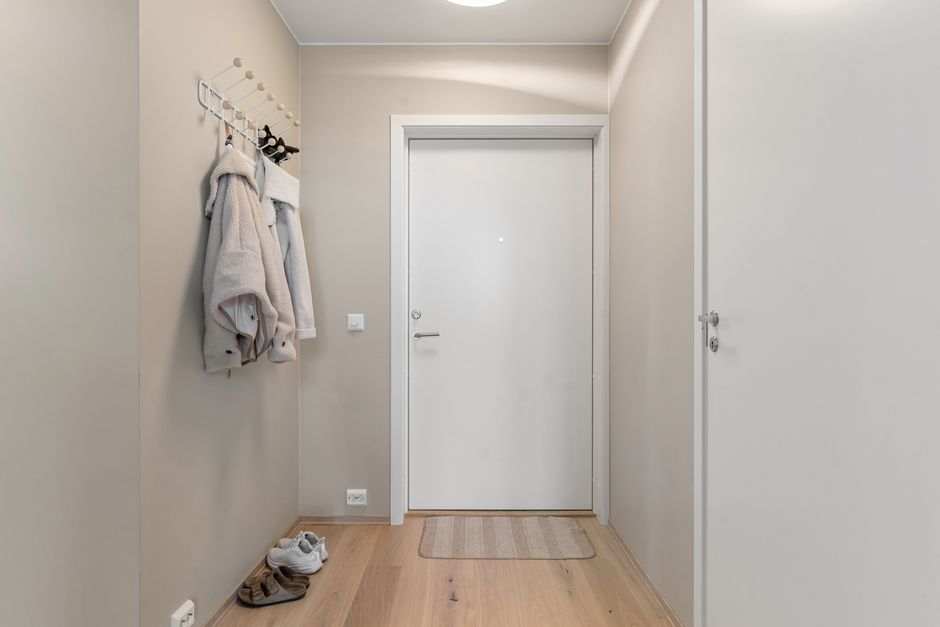
First impressions matter, and the entrance to a home sets the tone for the entire space. A cluttered pile of shoes can quickly diminish the welcoming atmosphere of any hallway. For many households, especially those in the United Kingdom where space is often at a premium, finding practical and aesthetically pleasing ways to manage footwear is a common challenge. The goal is not to eliminate shoes from the entryway entirely but to create a system that accommodates daily use while maintaining a sense of order. This article explores a range of do-it-yourself shoe storage ideas, focusing on methods that utilize shelves, benches, and baskets to transform an entrance into a tidy and inviting area.
The approach to shoe storage is rarely one-size-fits-all. It depends on factors such as the number of residents, the types of footwear worn, and the available floor space. A family with young children has different needs compared to a couple with a vast collection of boots. The solutions presented here are designed to be adaptable and scalable, allowing homeowners to tailor them to their specific circumstances. By considering the principles of accessibility, durability, and visual appeal, it is possible to implement a storage system that not only keeps shoes off the floor but also enhances the overall design of the home. The following sections outline various DIY projects, each with a focus on practical construction and functional benefits.
Assessing Your Entryway Needs
Before embarking on any DIY project, a thorough assessment of the entryway is essential. This initial step helps in determining the most suitable type of storage. Start by measuring the area where shoes tend to accumulate. Note the dimensions of the floor space, wall space, and any awkward corners or niches. Also, observe the flow of traffic; the storage solution should not obstruct the path between the door and the rest of the home. Understanding the volume and variety of shoes is equally important. Count the pairs that are regularly worn and consider those that are seasonal or used infrequently. This inventory will inform the capacity required and the type of storage that will be most effective.
Another factor to consider is the existing décor and the desired aesthetic. A modern, minimalist entrance may benefit from sleek, floating shelves, while a rustic cottage might be better suited to a wooden bench with woven baskets. The materials chosen for a DIY project should complement the interior style and be durable enough to withstand the wear and tear of daily use. Additionally, think about the ease of cleaning and maintenance, as entryway storage is exposed to dirt, moisture, and constant handling. By carefully evaluating these aspects, you can select or design a shoe storage solution that is both functional and harmonious with your living space.
Utilizing Vertical Space with Shelving
In many UK homes, floor space is limited, making vertical storage an attractive option. Wall-mounted shelves offer a simple yet effective way to store shoes without taking up valuable floor area. One popular approach is to install sturdy shelves at varying heights, allowing for different types of footwear. For instance, lower shelves can accommodate everyday shoes and slippers, while higher shelves can hold less frequently used boots or dress shoes. When constructing shelves, ensure that they are securely fixed to the wall, especially if they will bear significant weight. Using brackets rated for heavy loads and selecting appropriate wall anchors is crucial for safety.
Another innovative idea is to use a shoe rack that hangs over the back of a door. This is an excellent solution for narrow hallways where even a slim shelf might be an obstruction. Over-door organizers typically feature multiple pockets or tiers, maximizing storage in a compact space. For a more customised look, one could build a wooden rack that attaches to the door using hinges, but this requires careful measurement and installation. Additionally, consider using tension rods or mounted rails to create a hanging system for high-heeled shoes or sandals. These creative uses of vertical space can significantly reduce clutter while adding a decorative element to the entrance.
Incorporating Seating with Storage
A bench with integrated shoe storage is a dual-function piece that is both practical and comfortable. It provides a convenient place to sit while putting on or taking off shoes, which is especially beneficial for children, elderly individuals, or anyone with mobility challenges. The storage component can take various forms, such as a lift-up seat revealing a compartment, shelves beneath the seat, or a combination of cubbies and drawers. Building a simple bench from wood is a manageable project for many DIY enthusiasts. The key is to design it with enough depth and height to accommodate shoes and to ensure the seat is sturdy enough for sitting.
For a bespoke touch, consider integrating a shoe rack into the bench’s base. Open cubbies allow for easy visibility and access, while closed drawers keep shoes hidden and protected from dust. Some designs incorporate a slatted shelf for boots, allowing them to stand upright without bending. Incorporating a cushion on the seat can increase comfort, but it should be made of a durable, wipeable material. When constructing a bench, careful attention to joinery and finishing will ensure it is both functional and visually appealing. This storage solution not only helps keep the entrance tidy but also enhances the overall comfort and usability of the space.
Using Baskets and Bins for Versatile Storage
Baskets and bins are among the most versatile storage items for an entryway. They can be used independently or in conjunction with shelving and benches. Woven baskets, fabric bins, or metal buckets can corral shoes of various sizes and styles, hiding them from view while keeping them accessible. One advantage of baskets is their portability; they can be easily moved to clean the entryway or to access shoes. They also add texture and warmth to the décor, making the entrance more inviting. To maximise efficiency, assign a basket to each family member, or categorise by type, such as “trainers” or “work shoes.”
When using baskets, consider placing them on a low shelf or in a large cubby, making it easy for everyone to drop their shoes in without fuss. Open-top baskets are more convenient but may show clutter; lined baskets or those with lids can offer a neater appearance. For a DIY touch, one can personalise fabric bins with labels or decorative elements, ensuring they blend with the interior design. Baskets are also ideal for storing shoe care items, such as polish and brushes, keeping them within reach but out of sight. This flexible storage option can be adapted as needs change, making it a sustainable choice for long-term organisation.
Creative Solutions for Small Spaces
When space is extremely limited, creativity becomes essential. A narrow console table with a lower shelf can serve as a landing spot for keys and a discreet shoe storage area. Alternatively, consider repurposing furniture, such as an old bookshelf or a decorative ladder, to hold shoes. An old wooden ladder can be leaned against a wall, and shoes can be placed on the rungs, creating a unique and rustic display. This approach not only saves space but also adds character to the entrance. Another idea is to use a shoe cabinet that also functions as an entryway table, providing a flat surface for decorative items while concealing shoes behind doors.
For those who prefer a minimal aesthetic, a simple, low-profile shoe rack that slides under a bench or console can be effective. Some designs allow shoes to be stored on an incline, and cabinets with slim doors can hold several pairs without protruding too far into the hallway. Additionally, using multi-tiered hanging organisers that fit over a door or on a wardrobe rail can maximize vertical storage without permanent installation. By thinking outside the box and considering multi-purpose furniture, it is possible to create an organised entrance even in the most compact of homes.
Maintaining an Organized Entrance
Having a well-designed storage solution is only the first step; establishing a routine to maintain order is equally important. Encourage all household members to use the designated storage spots when entering and leaving the home. Simple habits, such as kicking off shoes into a basket or placing them on a shelf, can make a significant difference. Regular decluttering is also essential; shoes that are no longer worn or are beyond repair should be removed from the entryway to free up space. Periodically reviewing and adjusting the storage system to accommodate changing needs ensures that it remains effective over time.
In terms of upkeep, materials should be chosen with ease of cleaning in mind. A weekly dusting or vacuuming of the storage units and surrounding floor will help maintain a fresh appearance. For wooden or metal surfaces, appropriate cleaners can be used, and fabric bins may be machine-washed if they are made from washable materials. By incorporating these simple maintenance practices, the entryway will remain tidy and welcoming, contributing to a positive first impression for guests and a calm start for residents.
The effectiveness of any organizational system depends on consistency and adaptability. A shoe storage solution should evolve with the household’s needs, and its success is ultimately measured by how seamlessly it integrates into daily life.
In summary, achieving a tidy entrance through DIY shoe storage involves careful planning and creativity. By assessing the available space, utilising vertical and multipurpose furniture, and incorporating flexible elements like baskets, one can design a system that meets practical requirements and enhances the home’s aesthetic. The key is to choose solutions that are durable, accessible, and suited to the unique lifestyle of the household. With these ideas, any entrance can be transformed into a neat and inviting space, regardless of its size.