Add Greenery to Your Interior: Best Plants for Rooms
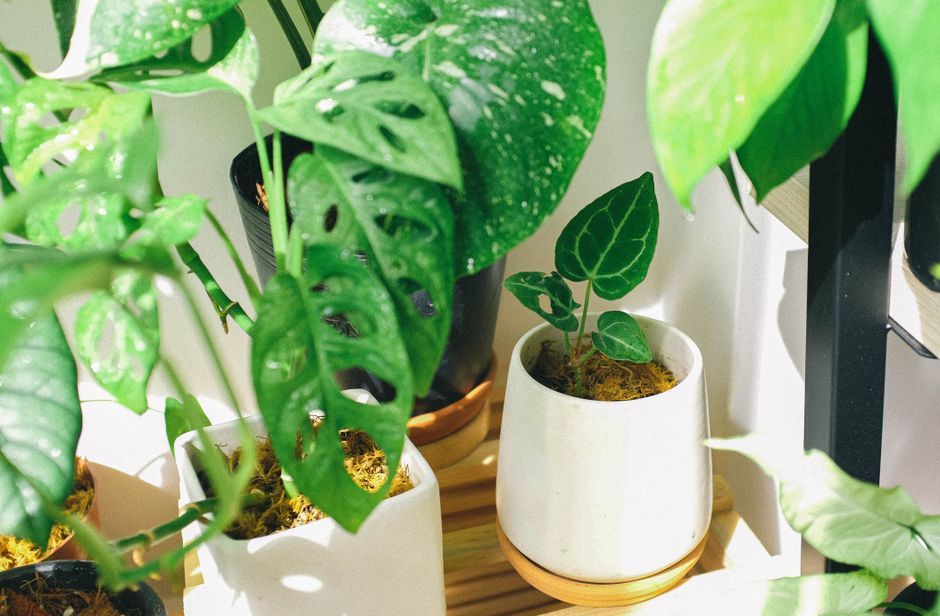
Incorporating greenery into interior spaces has become a popular approach to enhance both the visual appeal and the ambient quality of homes and offices. Plants can introduce texture, colour, and a sense of calm to a room, while also contributing to improved air quality through natural processes. However, selecting the right plants for specific conditions is essential, as different species have varying requirements for light, moisture, and maintenance. This article explores considerations for choosing indoor plants, focusing on varieties that perform well in low light, high humidity, and for those with limited time, along with placement strategies that maximise their benefits.
Whether you are a seasoned plant enthusiast or a beginner, understanding the environmental factors of each room is the first step towards successful indoor gardening. Factors such as natural light availability, humidity levels, and temperature fluctuations play a significant role in plant health. By aligning plant choices with these conditions, you can create a thriving indoor garden that requires minimal intervention. This guide aims to provide practical information on plant selection and care, without making definitive claims, as outcomes depend on individual circumstances and care routines.
Understanding Light Conditions
Light is arguably the most critical factor for indoor plant survival. Different rooms receive varying amounts of natural light, which influences photosynthesis and growth. Low light conditions occur in north-facing rooms or spaces far from windows, where direct sunlight is limited. Many popular houseplants originate from forest understories and have adapted to thrive in such conditions. Plants like Sansevieria (snake plant), Zamioculcas zamiifolia (ZZ plant), and Chlorophytum comosum (spider plant) are known for their tolerance to low light. They exhibit slow growth but remain healthy with minimal light exposure.
It is important to note that low light does not mean no light. Even these resilient plants require some indirect light to survive. In rooms with very little natural light, you might consider supplementing with artificial grow lights. Understanding the light levels in your home is the first step. You can observe the intensity and duration of light a room receives throughout the day. An east-facing window provides gentle morning light, while a south-facing window offers brighter, longer-lasting light, which may be too intense for some species if not filtered. Matching the plant to the available light is crucial for its well-being.
When selecting plants for dim spaces, it is advisable to choose species that are naturally adapted to lower light levels, and to monitor their response over time.
Selecting Plants for High Humidity
High humidity environments, such as bathrooms and kitchens, can be challenging for many common houseplants but are ideal for tropical species. These plants thrive in moisture-rich air and may suffer in drier rooms. Ferns, especially the Boston fern and maidenhair fern, flourish in humid conditions, as do many species of Calathea and Maranta, which are known for their striking foliage patterns. Humidity aids in maintaining leaf turgidity and supports essential physiological processes. In a bathroom with adequate natural light, these plants can grow lush and vibrant.
However, it is essential to consider the specific humidity levels and temperature stability. While bathrooms provide humidity, they often have lower light. In such cases, plants like ferns and certain Aroids that tolerate medium to low light can be suitable. When placing plants in high humidity areas, adequate ventilation is necessary to prevent fungal issues. Regularly wiping leaves to remove dust and moisture can help maintain plant health. It is also advisable to group humidity-loving plants together, as this can create a microclimate with higher moisture levels.
Low-Maintenance Plants for Busy Schedules
For individuals with demanding routines, low-maintenance plants are a practical choice. Succulents and cacti are popular for their ability to withstand periods of neglect, storing water in their leaves and stems. However, they typically require bright light, which may not suit all rooms. Alternatively, plants like the snake plant, ZZ plant, and pothos are forgiving of irregular watering and can adapt to a range of light conditions. These species have low water requirements and are resilient to occasional lapses in care.
Another consideration is the need for frequent pruning or repotting. Slow-growing plants reduce the frequency of maintenance tasks. Choosing plants with robust health and resistance to common pests can also minimise intervention. It is important to understand that even low-maintenance plants require some attention to thrive. A regular routine, such as checking soil moisture weekly and providing appropriate light, can ensure their survival. For those who travel often, self-watering pots or hydroponic systems might be options, but each has its own maintenance aspects.
Placement Strategies for Aesthetic and Practical Benefits
The placement of indoor plants not only affects their health but also contributes to the overall design of a room. Proper placement can enhance the aesthetic appeal while ensuring the plant’s needs are met. Consider the light direction and intensity when positioning plants. South-facing windows offer bright, direct light, which is suitable for sun-loving plants, but may cause leaf burn in tender species. East or west windows provide moderate light, ideal for many flowering plants. North-facing windows offer low light, best for shade-tolerant varieties.
In addition to light, consider factors like temperature and airflow. Avoid placing plants near heat sources or air conditioning vents, as sudden temperature changes can stress them. Grouping plants with similar needs together can simplify care routines and create a lush, cohesive look. Using decorative pots and stands can elevate the visual impact, but ensure that drainage is adequate to prevent waterlogging. For trailing plants, hanging planters or shelves can showcase their growth while saving floor space. The choice of pot material also influences moisture retention; terracotta allows evaporation, while plastic retains moisture.
Benefits and Limitations of Indoor Plants
Indoor plants are often lauded for their potential to improve indoor air quality through the absorption of certain volatile organic compounds. However, it is important to approach these claims with context. While some studies suggest that plants can remove specific pollutants under laboratory conditions, the extent of their impact in real-world settings depends on various factors including plant species, soil conditions, and room ventilation. The primary aesthetic and psychological benefits, such as reduced stress and increased productivity, are also subject to individual perception and environmental factors.
Plants can also contribute to humidity regulation by releasing moisture through transpiration. This can be beneficial in dry climates or air-conditioned environments. Nevertheless, they cannot replace proper ventilation or air purification systems. Moreover, some plants can be toxic to pets or humans if ingested, so careful selection is necessary in households with children or animals. Understanding the limitations and benefits allows for informed decisions without overestimating the capabilities of indoor greenery.